We quote a lot of fixed auditorium seating into public tenders, and the smoothest ones share a habit: the RFP is specific about the boring things. The painful projects are the ones that nail the fabric colour and forget the spare-parts list. Here is the checklist we wish more tenders used — written from the supplier side, so you can hold us to it.
Specify the standard, the level and the fire test
A tender should name the structural standard and severity (for ranked seating, EN 12727 and the L1–L4 level), the enforced fire test, and the layout it is to be built to. In US federal buys, theatre and auditorium seating sits under a defined category (GSA SIN 33721T) with named specifications — that specificity is a feature, not bureaucracy. A tender that says "must meet relevant standards" pushes the interpretation risk onto the bid, and you will pay for that ambiguity one way or another.
Demand a golden sample, not just a quote
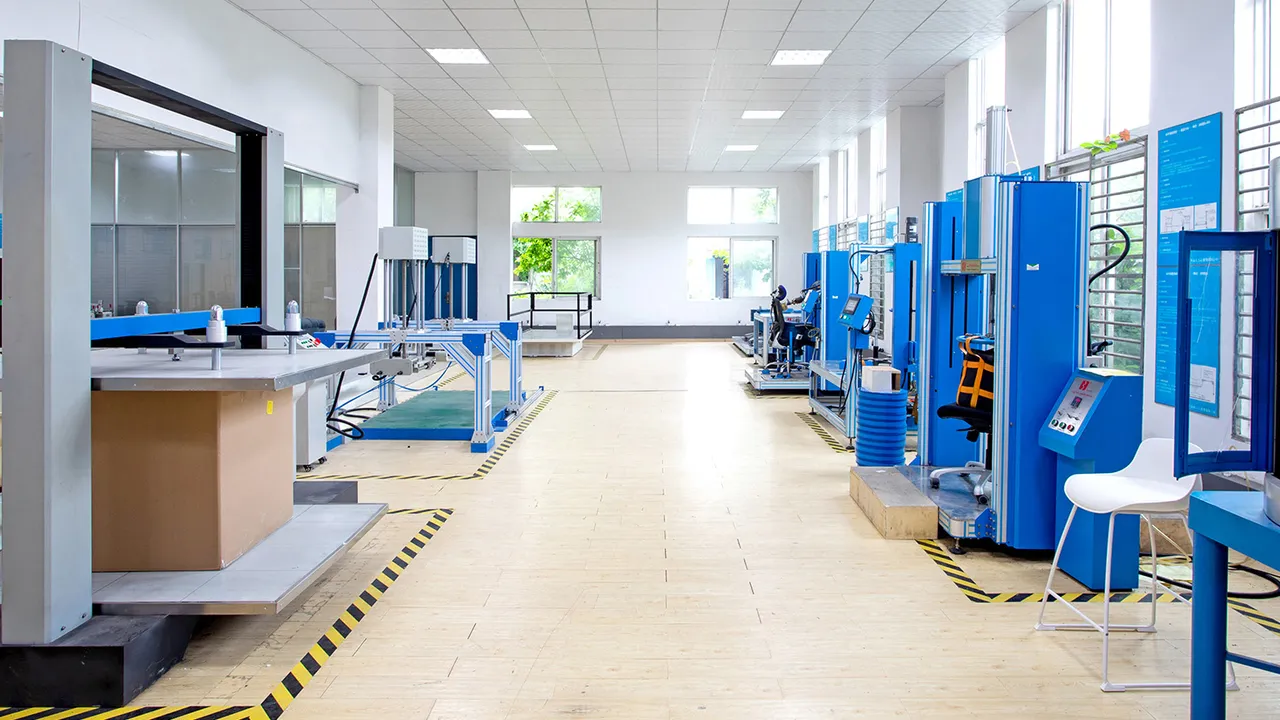
For anything above a handful of seats, ask for a pre-production "golden sample" that becomes the reference for the whole order — the finish code, the fabric code, the stitching and edge detail, all signed off on a physical seat. For a large hall, a mock-up of a short row in the actual space lets you confirm row pitch and sightlines before committing. We prefer this too: a fault caught on one approved sample costs a courier; the same fault across 400 installed seats costs a re-mobilisation. The logic behind why sampling matters so much before a large run is laid out well in this guide to sampling before production.
Separate the two warranties
Fixed seating has two failure surfaces, so it needs two warranties. The product warranty covers the seat — frame, mechanism, upholstery. The installation warranty covers the mounting to floor or riser, which on fixed seating is where a lot of real-world problems live. A tender that lumps them together leaves a gap exactly where a loose standard or a cracked floor fixing will appear. Ask for both, in writing, with their durations stated.
Insist on a spare-parts list up front
This is the line item most often missing and the one that bites latest. A public hall keeps its seating for fifteen or twenty years; somewhere in that life a tip-up spring tires, an armrest cracks, a cup-holder is wrenched off. The tender should require a spare-parts list per component, with the parts that ship with the order and the lead time to reorder. We would rather you build a small spares buffer into the first PO than discover at year five that a discontinued mechanism strands a whole row. On fixed seating, parts availability is part of the product.
The trade-off on lowest bid
The honest tension in any public tender is price versus whole-life cost. The lowest seat price often wins on paper and loses over twenty years — thinner steel standards, a tip-up rated a level too low, no committed spares. We are not the cheapest line on most tenders, and we will tell a buyer plainly when a rival's number only works by dropping the EN 12727 level or skipping the fire foam. Sometimes that is a legitimate choice for a low-use room; often it is a problem deferred to the building's maintenance budget.
Write the installation and delivery sequence into the tender too
The spec most tenders get right and the logistics most get wrong. Fixed seating is installed late in a build, after the floor finish and often after the AV, so the delivery date is hostage to the rest of the programme. A tender that names a fixed ship date without a site-readiness clause sets up a fight: the seats are made and need to ship, but the floor is not poured. We ask for a delivery window tied to site readiness, plus who unloads, who stores if the site slips, and who mounts to the floor — the installer or our crew. On a hall with raised risers, the mounting interface (the bolt pattern into the riser) needs confirming against the actual riser drawings before production, not on site with a hammer drill and a surprise. Putting that sequence in the tender is dull and it is exactly what separates a smooth handover from a stack of cartons in a corridor.
If you have a public seating project out to tender, send the spec — standard, level, fire test, layout — and we will bid the build it actually needs and flag anything in the RFP that is going to cause trouble later. Our OEM/ODM process bakes the golden sample into the schedule; reach us through the contact page or read more about the factory.